- +1 (555) 987-6543

Residential Training
Some dogs need more than an hour a week
Bespoke residential training in Herefordshire for dogs who need daily repetition, real-world practice and a proper reset. One dog at a time, living in my home as part of the family, never in a kennel.
You have probably already tried
Lessons. Books. Videos. A different lead, a different harness, a different route, walks at six in the morning when nobody else is out. Some of it worked for a fortnight. Then a dog came round the corner too fast, or a visitor knocked, and you were back where you started.
Or you know exactly what you are supposed to be doing and you simply cannot do it eight times a day, every day, on top of work and children and everything else that has to happen.
Either way it is the same pattern. Real progress in the session, then it slides between them. That is not you failing. A behaviour a dog has been practising for two years does not come apart in an hour a week.
Most owners who call me are not describing a training problem
They are describing a life that has quietly narrowed around the dog.
Walks moved to the hours when nobody else is about. Visitors no longer invited. Holidays not booked, because who would you leave him with. Checking the garden before you open the door. Apologising to someone before you have even reached them.
And the part owners find hardest to say out loud, which is that you love this dog and you have started to dread the parts of the day that involve him. That is not a failure of effort. It is what happens when the amount of consistency a dog needs is more than any normal week can hold.

What residential training actually gives you
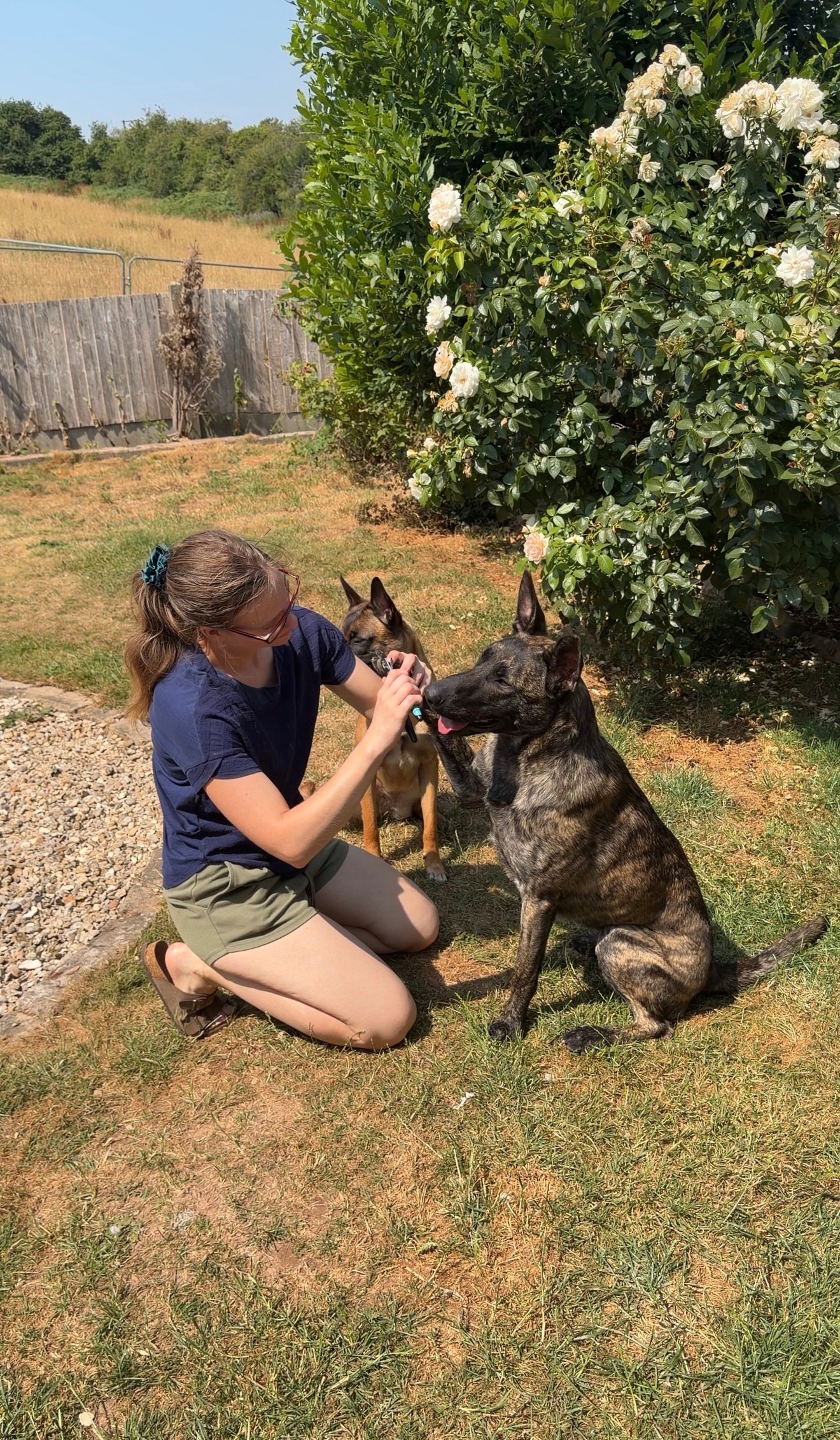
Your dog comes and lives with me. Not in a kennel block and not in a training centre, but in my house, as part of everyday family life, alongside my own dogs.
He gets up when we get up. He comes with me when I go out. He practises the things he finds hard in the places where they are actually hard, which is the pavement, the vet car park, the field with other dogs in it, the pub on a Saturday.
Because he is with me all day, I can do in a week what a weekly lesson takes two months to do. The same skill, repeated correctly, in twenty different places, until it stops being something he performs and becomes the way he behaves.
And because I take one dog at a time, none of that attention is shared with anybody else’s.
This is the right programme if
- Your dog reacts to other dogs or people and walks have become something to survive
- You have had training before and the progress will not hold between sessions
- Something has changed, a house move, a new baby, a bite, and you need it addressed properly rather than slowly
- You have a young dog heading in a direction you can already see and you want to stop it now
- You do not have the hours in your week that consistency needs, and you would rather be honest about that than keep failing at it
It is not the right programme if
You want the dog fixed and handed back with nothing required of you. The handover exists because what happens in the fortnight after he comes home matters as much as the weeks he spends here.
Why me
I am Martina. I grew up around dogs, and six years ago I got a Belgian Malinois called Azula, which is roughly when I stopped assuming I knew what I was doing and started learning properly. Since then I have raised four more Malinois and a working Cocker Spaniel.
I have nearly seven years of professional experience working with dogs at every stage of their lives. My background includes dog walking and sitting, puppy development, behavioural training and teaching classes from puppy level through to advanced.
Before becoming a full-time trainer, I taught Kennel Club Good Citizen classes from Puppy Foundation through Bronze, Silver and Gold. Since becoming a full-time trainer, I have continued to develop my experience through a wide range of practical work, including raising and preparing two Belgian Malinois for operational work within the prison service.
My experience working for a five-star breeding kennel has given me invaluable practical experience. I helped raise puppies from birth, assisted with whelping and supported the care of pregnant females. I also worked with a large pack of dogs from different breeds living together.
Managing a large, varied group of dogs every day provides an understanding of canine behaviour that is not easily gained. It involves observing different personalities, recognising changes in behaviour and dealing with social dynamics and challenges as they arise. This kind of hands-on experience is not common among dog trainers and has given me a strong understanding of how dogs communicate and interact in real-life situations.
I have run my own dog-training business since 2021, initially in Staffordshire and now in Herefordshire.
I also train and compete in Mondioring with my own Belgian Malinois. My three dogs live in my home as part of the family, just as residential dogs do during their stay.
Gladys's Transformation
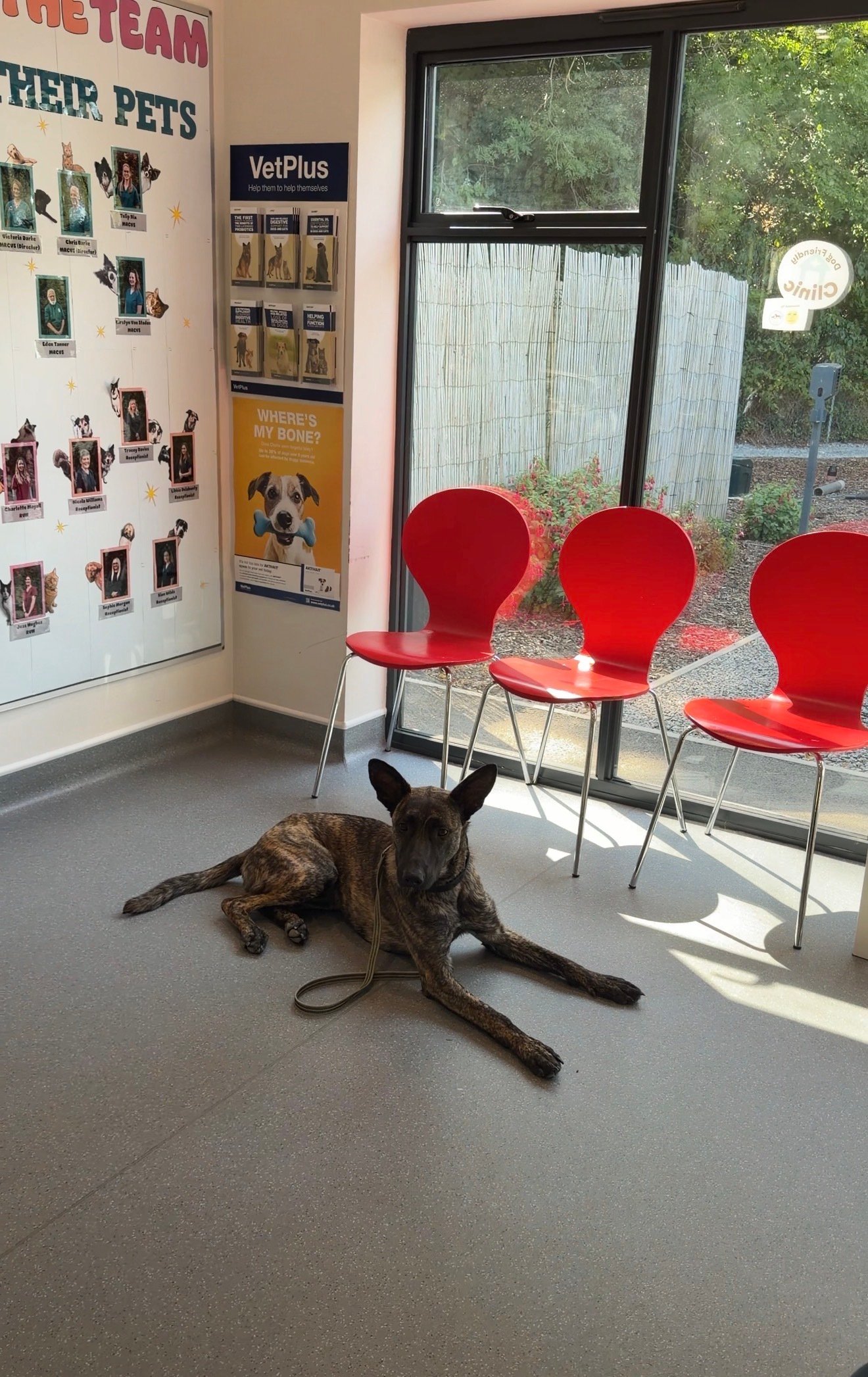
Gladys was adopted from Spain and is an exceptionally clever and persistent dog. Before her residential stay, she struggled with intense excitement, jumping, barking and reacting to unfamiliar dogs.
She found it difficult to settle when visitors arrived or family members returned. She would also pester the other dogs in the home and struggle to leave them alone around toys. Out on walks, her pulling and reactions could be extremely powerful, and she had pulled her owner over twice when seeing other dogs.
During her residential stay, we focused on clearer communication, consistent boundaries and developing greater self-control. Gladys learned to settle, respond to guidance and make calmer choices around people, dogs, livestock and everyday distractions.
The progress continued when she returned home. Gladys became much calmer overall, responded more readily when reminded and developed a far calmer relationship with the other dogs.
She also became better at settling in the evenings, coming away from the horses when called and being groomed calmly. One particularly lovely update showed Gladys relaxing beside another dog while he enjoyed his bone, something that demonstrated just how much her ability to give the other dogs space had improved.
“Overall, she is SO much nicer to live with and everyone else is so much calmer too.”
Her owners also shared:
“She’s doing well. Much, much calmer overall. A few attempts to go back to her old ways but she soon stops when we tell her. And the relationship with the other dogs is also a lot calmer.”
Gladys’s story shows what can be achieved through clear communication, structure and training tailored to the individual dog, followed by consistency at home.
What residential training actually gives you
Your dog comes and lives with me. Not in a kennel block and not in a training centre, but in my house, as part of everyday family life, alongside my own dogs.
He gets up when we get up. He comes with me when I go out. He practises the things he finds hard in the places where they are actually hard, which is the pavement, the vet car park, the field with other dogs in it, the pub on a Saturday.
Because he is with me all day, I can do in a week what a weekly lesson takes two months to do. The same skill, repeated correctly, in twenty different places, until it stops being something he performs and becomes the way he behaves.
And because I take one dog at a time, none of that attention is shared with anybody else’s.
What your dog's stay involves
- Full-time living in a family home, not a kennel. What he learns is learned inside normal life, which is why it holds when he gets back to yours.
- Daily outings into real environments. Calmness gets built in the places that actually set him off, rather than in a hall where nothing happens.
- One dog at a time. No group, no rota, no waiting his turn. The whole day is his.
- A plan built around your dog, not a fixed course. We work on what he needs and what you told me matters, which is not the same list for any two dogs.
- Updates while he is here. So you can see what is changing rather than wondering how he is getting on.
- A full handover session when he comes home. You are shown exactly how to ask, what to expect and how to hold it, so the progress does not quietly leak away in week one.
- Written notes and WhatsApp support afterwards. You get a summary of what we did and how to keep it going, and you can message me when something comes up, which it usually does in the first fortnight.
What we work on
- Barking and lunging at other dogs, and being able to pass one without it turning into an event
- Walking on a lead without being dragged
- Coming back when he is called, including when something more interesting is happening
- Settling in the house instead of pacing, following you room to room or reacting to every noise
- Being calm around visitors, at the vet, in a cafe, near livestock
- Confidence in places that currently worry him
- Manners that make ordinary life easier, waiting at doors, leaving things, not mugging the worktop
- The deeper behavioural work, for the dogs where the surface behaviour is not the actual problem
The things owners ask me before they book
Will he think I have abandoned him?
No. He settles into the routine here within a few days, usually faster than owners expect, and he knows exactly who you are the moment he sees you again. What tends to surprise people is how much calmer he is when he does.
Will it hold when he comes home?
Only if you are shown how to hold it, which is exactly what the handover is for. Your dog comes back understanding new cues and new expectations, and you are taught how to ask for them and what to do when he tests it. You also get written notes and WhatsApp support afterwards, because the moment that undoes most people is a difficult one at home with nobody to ask.
What methods do you use?
I do not use one fixed method for every dog. Training is adapted to the individual dog, their personality, previous experiences and the behaviours we are working on.
I use rewards such as food, play and praise, alongside clear boundaries and consistent guidance. The lead is used as a form of communication, helping the dog understand what to do before they make the wrong choice, rather than simply correcting them afterwards.
My aim is to create clear, reliable responses that work not only at home, but around everyday distractions and in real-world environments. I will also teach you how to use the same communication when your dog returns home.
What if my dog is not suitable?
Then I will tell you on the call, and I will tell you what I think would help instead. Not every dog is right for this, and putting the wrong dog into it helps nobody.
What does it cost?
Every stay is priced around the dog and the length of the placement, so we talk it through on the call once I understand what you are dealing with.
How long does my dog stay?
Residential stays generally last between one and two weeks, depending on your dog and what you would like to achieve.
Where possible, I recommend a two-week stay. This gives your dog time to settle, build a relationship with me and gradually practise their training around triggers and distractions in a variety of real-world environments.
The recommended length will be discussed and agreed with you before your dog arrives.
Where does my dog sleep, and are they kennelled?
Your dog stays in my home and sleeps safely in their crate, either in my living room alongside my own dogs or in the spare room if they are more comfortable having their own space.
Their sleeping arrangements are based on whether they enjoy the company of other dogs or prefer a quieter environment. Residential dogs are not housed in outdoor kennels overnight.
Will I receive updates?
Yes. You will receive regular updates throughout your dog’s stay, usually every day. These include messages, progress updates and short videos showing what we have been working on.
I want you to feel involved and reassured throughout the process, while also helping you understand how your dog’s training is developing.
What support will I receive afterwards?
The training does not end when your dog comes home. You will receive a full handover lesson, during which I will show you what your dog has learned and teach you how to continue the training confidently at home.
You will also receive a personalised written training plan and four weeks of WhatsApp support. This allows us to work through the transition together, answer questions and address any difficulties as your dog settles back into everyday life with you.
Availability
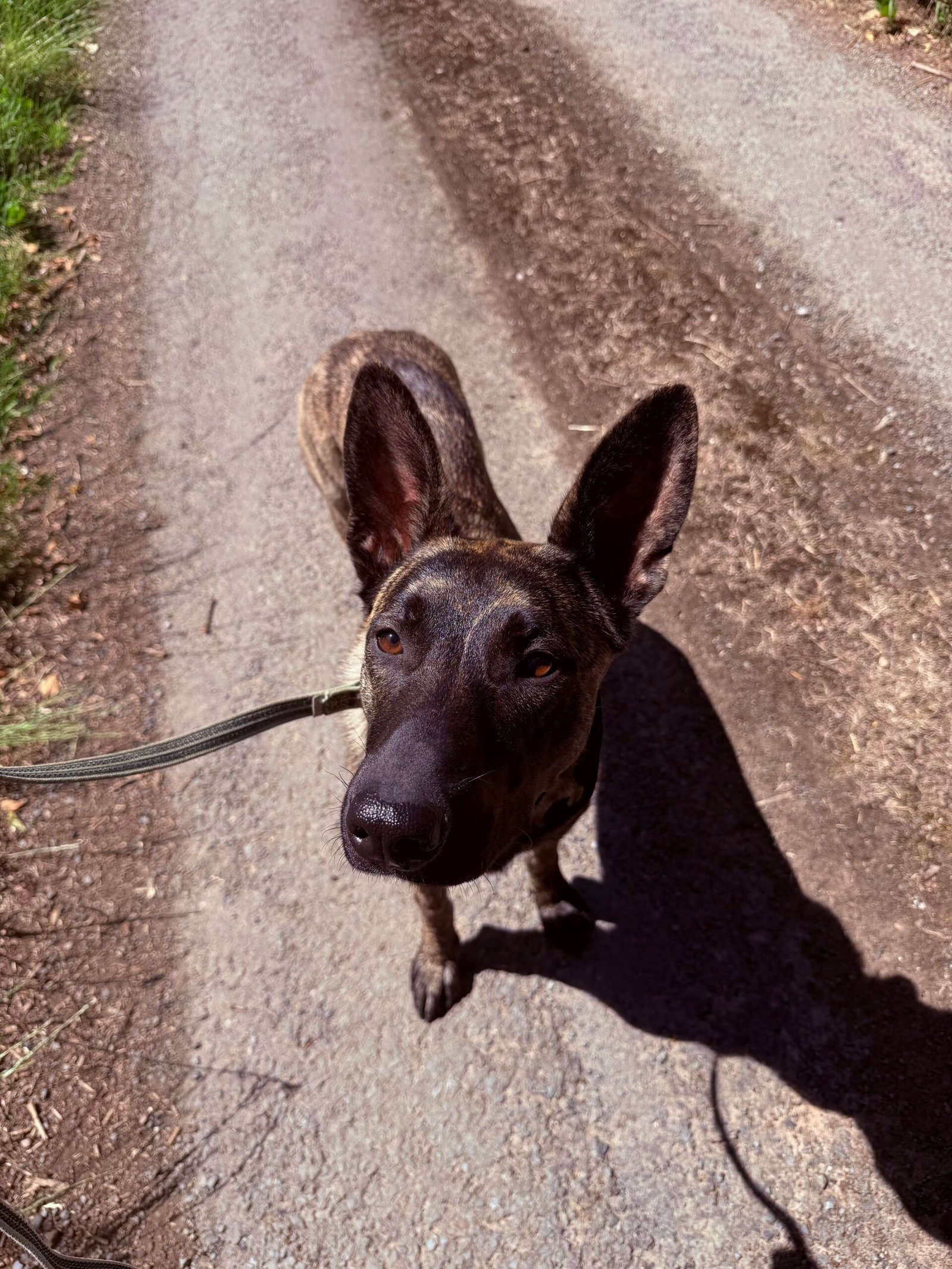
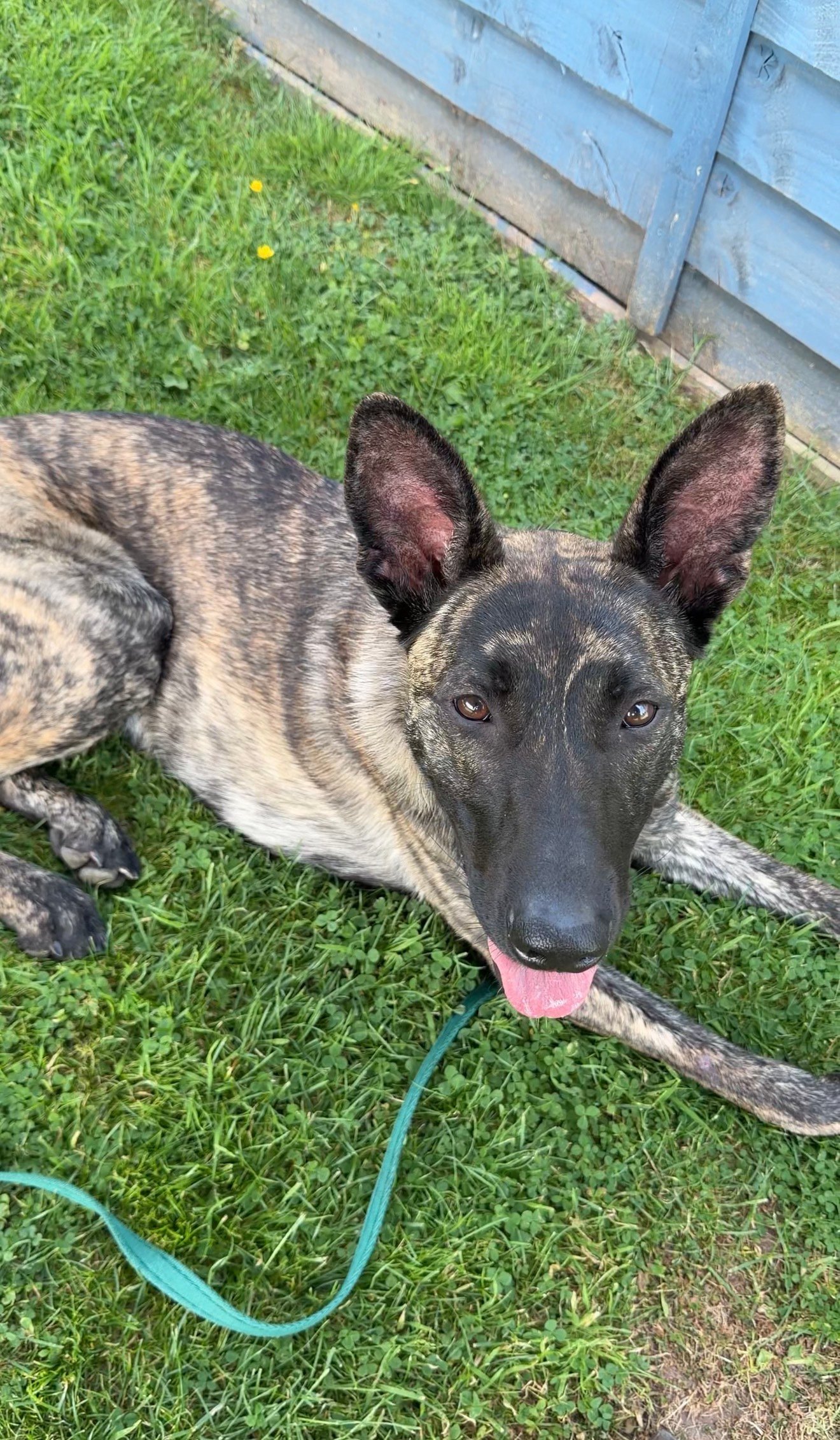
I accept only one residential dog at a time, allowing me to provide truly individual training and care. Because of this, placements are intentionally limited.
My next available placement begins on Tuesday 22 September, with one further placement available in October.

What happens next
- A free fifteen minute call. You tell me what is going on and I tell you honestly whether residential training is the right answer for your dog.
- An assessment. I meet your dog properly, so that we both know this is the right fit before anything is booked.
- Dates confirmed, and a plan built around your dog before he arrives.
Book a Free Discovery Call
Fifteen minutes, no cost, and no obligation to book anything afterwards. If residential is not right for your dog, I will say so and point you at what is.
LET'S FETCH SUCCESS TOGETHER
Subscribe and get the latest news and discounts first!